Environmental Regulations and Acts in Ontario
Environmental regulations and acts play a crucial role in protecting Ontario’s natural resources and ecosystems. This article provides an overview of the various regulations and acts in Ontario, including their purpose and significance in environmental management and conservation efforts.
Environmental Regulations and Acts in Ontario
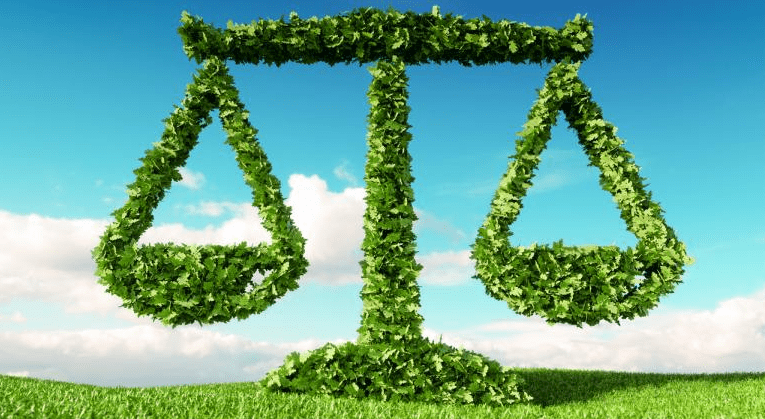
Ontario is home to a diverse range of natural environments, from forests and wetlands to lakes and rivers. These ecosystems are important not only for their intrinsic value, but also for their economic, social, and cultural significance. To ensure the protection and sustainable management of these natural resources, the Ontario government has implemented a variety of environmental regulations and acts.
Ontario Environmental Registry
The Ontario Environmental Registry is a public database of environmental activities, including environmental assessments, permits, and regulations. It provides transparency and public access to information on environmental issues in Ontario, making it an important tool for environmental management. However, some argue that the registry is not always comprehensive enough to ensure effective environmental protection.
Provincial Parks and Conservation Reserves Act
The Provincial Parks and Conservation Reserves Act is essential in protecting Ontario’s natural resources by preserving and managing provincial parks and conservation areas. The act provides a framework for the management of these areas, ensuring that they are protected for future generations. However, some argue that there is a need for more protected areas in Ontario to safeguard vulnerable ecosystems.
Planning Act 2010
The Planning Act 2010 is significant in the management of Ontario’s natural resources by regulating land use and development. The act ensures that land use decisions are made in a way that is consistent with the protection and conservation of the environment. However, some argue that the act does not do enough to prevent urban sprawl and protect natural habitats.
Crown Forest Sustainability Act
The Crown Forest Sustainability Act plays a critical role in the forestry management of Ontario’s forests. It requires that forestry activities are sustainable and ensures that Ontario’s forests are preserved for future generations. However, some argue that the act is not always enforced effectively, leading to unsustainable forestry practices.
Ontario Regulation 903
Ontario Regulation 903 regulates air pollution in Ontario by setting standards for air quality and emissions. It is essential in reducing the negative impact of air pollution on human health and the environment. However, some argue that the regulation is not comprehensive enough to address all sources of air pollution in Ontario.
Public Lands Act
The Public Lands Act is important in the management of Ontario’s public lands, including Crown land and shore lands. The act ensures that these lands are used in a way that is consistent with environmental protection and conservation efforts. However, some argue that the act does not do enough to protect public lands from development and other harmful activities.
Ontario’s Protected Areas and Conservation Efforts
Ontario’s protected areas and conservation efforts are essential for maintaining the health and sustainability of the province’s ecosystems. These efforts include a range of initiatives, such as the Ontario Puma Foundation, Algonquin Park logging issue, Lake Simcoe Protection Plan, and the Conservation Land Tax Incentive Program (CLTIP).
Ontario Puma Foundation
The Ontario Puma Foundation is a nonprofit organization that works to protect and conserve Ontario’s puma population. It is significant in the conservation efforts of Ontario, as pumas play a critical role in maintaining ecological balance. However, some argue that the foundation does not have enough funding and resources to effectively carry out its conservation efforts.
Algonquin Park Logging
Logging activities in Algonquin Park are significant in Ontario’s conservation efforts, as they can have a negative impact on the park’s ecosystem and biodiversity. There is ongoing debate surrounding the logging activities in Algonquin Park, with some arguing that they are necessary for the forestry industry and others arguing that they should be banned to protect the park’s natural resources.
Lake Simcoe Protection Plan
The Lake Simcoe Protection Plan is essential in protecting the water quality of Lake Simcoe and its surrounding watershed. The plan sets out measures to reduce the negative impact of human activities on the lake’s ecosystem and ensures that the lake remains a healthy and vibrant ecosystem. However, some argue that the plan does not go far enough to address the issues facing Lake Simcoe.
Conservation Land Tax Incentive Program (CLTIP)
The Conservation Land Tax Incentive Program encourages the preservation of natural areas by providing tax incentives to landowners who conserve their land. The program is important in the conservation efforts of Ontario, as it encourages private landowners to play a role in protecting natural areas. However, some argue that the program may not be enough to prevent the loss of natural habitats due to development and other activities.
Waste Management and Sewage Treatment in Ontario
Waste management and sewage treatment are crucial issues in Ontario’s efforts to protect the environment and public health. Despite efforts to regulate waste and sewage treatment practices, there are ongoing concerns about their negative impacts on the environment and human health.
Sewage Treatment Plant Discharge
Sewage treatment plant discharge is a significant issue in Ontario’s waste management efforts, as it can have negative impacts on water quality and aquatic ecosystems. There are regulations in place to monitor and regulate sewage treatment plant discharge, but some argue that these regulations are not always effective in preventing contamination of water sources.
Richmond Landfill Site
The Richmond Landfill Site is significant in Ontario’s waste management efforts, as it is a major landfill site that receives waste from across the province. The site has been controversial due to concerns about its impact on the environment and nearby communities. Some argue that the site should be closed or better regulated to reduce its negative impact.
Landfill Site Problems
Landfill site problems are an ongoing issue in Ontario’s waste management efforts, as landfill sites can have negative impacts on the environment and human health. These problems include groundwater contamination, air pollution, and the release of harmful chemicals into the environment. There are regulations in place to mitigate these problems, but some argue that they are not always effective in preventing harm.
Ontario’s Soil and Forest Management
Ontario’s soil and forest management efforts are aimed at promoting the sustainable use and conservation of the province’s natural resources. Two key issues in this area are peatlands and soil degradation.
What is Peat?
Peat is a type of soil that is significant in Ontario’s soil and forest management efforts, as it plays an important role in carbon sequestration and ecosystem function. However, peatlands are vulnerable to degradation due to human activities, including drainage and development. Efforts are underway to protect and restore peatlands in Ontario.
Soil Degradation in Canada
Soil degradation is an ongoing issue in Canada, including in Ontario. It can have negative impacts on agricultural productivity, biodiversity, and water quality. Efforts are underway to mitigate soil degradation through measures such as conservation tillage and soil conservation programs.
Hunting and Fishing Regulations in Ontario
Hunting and fishing regulations are crucial in Ontario’s efforts to manage and conserve the province’s wildlife and natural resources. One important area of focus is fishing regulations, which are overseen by the Ministry of Natural Resources (MNR).
MNR Fishing
The Ministry of Natural Resources (MNR) fishing regulations in Ontario are important in the conservation of fish populations and aquatic ecosystems. The regulations set out limits on fishing, fishing methods, and fishing seasons to ensure that fish populations remain healthy and sustainable. However, some argue that the regulations do not always take into account the complex interactions within aquatic ecosystems.
Ontario’s Water Management and Protection
Water management and protection are crucial issues in Ontario’s efforts to protect public health and the environment. Two key areas of focus are the Safe Drinking Water Act Ontario and Ontario Regulation 419.
Safe Drinking Water Act Ontario
The Safe Drinking Water Act Ontario is significant in ensuring that Ontario residents have access to clean and safe drinking water. The act sets out measures to protect drinking water sources, monitor water quality, and respond to water-related emergencies. However, some argue that the act does not go far enough to prevent contamination of water sources.
Ontario Regulation 419
Ontario Regulation 419 regulates the management of hazardous waste in Ontario. It is important in protecting human health and the environment from the negative impacts of hazardous waste. However, some argue that the regulation is not always effective in preventing harm from hazardous waste.
Ontario’s Municipal and Public Land Management
Effective management and protection of municipal and public lands are essential in Ontario’s efforts to promote sustainable development and protect natural resources. There are several key areas of focus in municipal and public land management.
Municipal Act 2001
The Municipal Act 2001 is significant in ensuring effective and sustainable management of public lands in Ontario. The act sets out the responsibilities of municipalities in managing public lands, including parks and recreation areas. However, some argue that the act does not do enough to prevent the loss of natural habitats and protect biodiversity.
OWRA
The Ontario Water Resources Act (OWRA) is important in the management and protection of Ontario’s water resources. The act sets out measures to protect water quality, manage water use, and respond to water-related emergencies. However, some argue that the act could be updated to better address current challenges facing Ontario’s water resources, such as climate change and emerging contaminants.
Municipal Drainage Act
The Municipal Drainage Act is significant in Ontario’s municipal and public land management efforts, as it regulates the drainage of water from agricultural lands and other areas. The act ensures that drainage systems are installed and maintained in a way that is consistent with environmental protection and conservation efforts. However, some argue that the act may not adequately consider the impact of drainage systems on natural habitats and ecosystems.
MNDM
The Ministry of Northern Development and Mines (MNDM) is significant in the management and protection of Ontario’s natural resources, including minerals and forests. The ministry is responsible for regulating mining activities, forestry management, and the development of northern communities. However, some argue that the ministry may prioritize economic development over environmental protection and conservation efforts.
Ontario’s Wildlife Conservation Efforts
Ontario’s efforts to protect biodiversity and maintain ecological balance rely heavily on effective wildlife conservation. Two important areas of focus in this effort are the conservation of cougars, a threatened species in Ontario, and addressing broader biodiversity issues.
Cougars in Ontario
Cougars are a significant issue in Ontario’s wildlife conservation efforts, as they are a threatened species that plays an important role in maintaining ecological balance. Efforts are underway to protect and conserve cougars in Ontario, including through habitat restoration and public education. However, some argue that there is a need for stronger regulations to protect cougars from hunting and other human activities.
Biodiversity Issues
Biodiversity issues are an ongoing concern in Ontario’s ecosystems and conservation efforts. Loss of biodiversity can have negative impacts on ecosystem function, human health, and the economy. Efforts are underway to protect and restore biodiversity in Ontario, including through the creation of protected areas and the implementation of conservation programs.
Importance of Environmental Conservation Efforts in Ontario
Environmental regulations and acts play a crucial role in protecting Ontario’s natural resources and ecosystems. While there are ongoing challenges and debates surrounding these regulations and acts, they provide an important framework for environmental management and conservation efforts. It is important for individuals and communities to engage in environmental conservation efforts in Ontario to ensure a sustainable and healthy environment for future generations.