The Environmental Impact of Natural Resource Extraction in Canada
The environmental impact of natural resource extraction, specifically on water and air pollution in Canada, is a critical issue that requires attention. In recent years, Canada has witnessed an increase in natural resource extraction, and the resulting pollution has become a cause for concern. The extraction process for natural resources has led to air and water pollution, which is harmful to both the environment and human health. The article will shed light on the impact of natural resource extraction on water and air pollution in Canada and describe ways to mitigate these impacts.
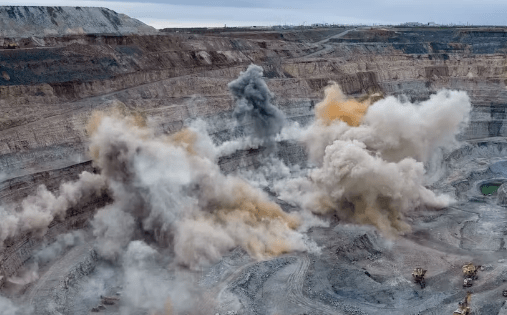
Air Pollution from Natural Resource Extraction
The extraction of natural resources such as oil, gas, and coal has a significant impact on air quality. The burning of fossil fuels, which is a common process used in many natural resource extraction operations, releases large amounts of greenhouse gases, such as carbon dioxide, into the atmosphere. These greenhouse gases contribute to climate change, which has far-reaching consequences for the environment, including more frequent and severe natural disasters such as floods, droughts, and wildfires.
In addition to greenhouse gases, natural resource extraction also releases other harmful pollutants into the air. These pollutants can cause respiratory problems, heart disease, and other health issues. The mining of metals and minerals, for example, produces large amounts of dust, which contains harmful chemicals such as lead, arsenic, and mercury. Exposure to these chemicals can cause serious health problems, including lung cancer and neurological damage.
Water Pollution from Natural Resource Extraction
Water pollution is another significant environmental impact of natural resource extraction in Canada. The extraction process requires large amounts of water, which can lead to depletion of water resources and have negative impacts on aquatic ecosystems. In addition, the extraction process often involves the use of chemicals, which can leach into nearby waterways and contaminate them. This contamination can harm aquatic plants and animals and can also make water unsafe for human consumption.
Oil and gas extraction, in particular, can have severe impacts on water quality. The process involves injecting water, sand, and chemicals deep into the ground to fracture rock and release trapped oil and gas. This process, known as hydraulic fracturing or “fracking,” can contaminate nearby water sources with chemicals used in the process, including benzene, toluene, ethylbenzene, and xylene. Exposure to these chemicals can cause cancer, liver damage, and other health problems.
The Environmental Impact of Shale Gas and Hydraulic Fracking
Shale gas extraction in Ontario through hydraulic fracturing, or fracking, is a controversial method that raises significant environmental concerns. So it is important to include the Environmental Commissioner of Ontario in discussions about the environmental impact of shale gas and hydraulic fracking in Ontario.
Fracking involves injecting large volumes of high-pressure fluid, propping agents, and chemicals into drilled wells to extract natural gas from shale rock formations. While Ontario shale gas production may benefit local economies and reduce reliance on foreign sources of energy, the process has raised concerns about shale gas water contamination, air pollution, and the potential for environmental damage. In Ontario, Canada, exploratory drilling has been conducted to assess the potential for shale gas extraction, but the environmental impact of such activities must be carefully considered before proceeding.
Fracking has the potential to harm freshwater ecosystems, such as the Sydenham River, which is the focus of the Sydenham River action plan. Fracking is known to consume large amounts of water and chemicals, which can potentially contaminate nearby water sources and harm aquatic life. Therefore, the implementation of the Sydenham River action plan to protect and restore the river’s ecosystem could also indirectly contribute to mitigating the potential environmental impact of fracking on freshwater ecosystems.
As you explore the environmental impact of natural resource extraction in Canada, it’s important to understand the regulations and acts in place to protect our natural resources and ecosystems. To learn more about this topic, check out our article on Overview of Environmental Regulations and Acts in Ontario, which highlights the significance of these regulations and acts in protecting our environment.
Mitigating the Environmental Impact of Natural Resource Extraction
To mitigate the environmental impact of natural resource extraction, Canada has implemented regulations and guidelines that aim to reduce pollution and protect the environment. These regulations require natural resource extraction companies to adhere to strict environmental standards and to monitor and report their environmental impacts.
In addition to regulations, there are also technological solutions that can help mitigate the environmental impact of natural resource extraction. For example, companies can use technologies that capture and store carbon dioxide emissions from natural resource extraction operations. They can also use techniques such as closed-loop drilling systems and the use of non-toxic chemicals to reduce the environmental impact of extraction.
Furthermore, there is a growing trend towards sustainable natural resource extraction practices, such as renewable energy development and responsible mining. These practices focus on reducing the environmental impact of natural resource extraction while still meeting the demand for natural resources. In Canada, for example, there has been a push towards developing renewable energy sources such as wind and solar power.
Measuring the Environmental Impact of Natural Resource Extraction
One of the challenges in mitigating the environmental impact of natural resource extraction is measuring the impact itself. There are several methods for measuring the environmental impact of natural resource extraction, including life cycle assessment (LCA) and environmental impact assessment (EIA).
Life cycle assessment is a technique used to evaluate the environmental impact of a product or process throughout its entire life cycle, from raw material extraction to disposal. This technique takes into account all the environmental impacts of a product or process, including its impact on air and water quality, land use, and energy use. Environmental impact assessment, on the other hand, is a process used to evaluate the potential environmental impacts of a proposed project or development. This process considers the potential impacts on air and water quality, biodiversity, and human health and well-being.
In Canada, environmental impact assessments are required for all major natural resource extraction projects. These assessments are conducted by government agencies and are designed to identify potential environmental impacts and propose measures to mitigate these impacts.
In addition to government-led assessments, there are also independent organizations that measure the environmental impact of natural resource extraction. The Global Reporting Initiative (GRI), for example, is a non-profit organization that develops sustainability reporting guidelines and provides a framework for measuring the environmental impact of natural resource extraction and other industries.
The following table provides an overview of the environmental impact of natural resource extraction in Canada:
Type of Natural Resource Extraction | Environmental Impact |
Oil and Gas | Air pollution, water pollution, land use |
Mining (metals and minerals) | Air pollution, water pollution, land use |
Forestry | Deforestation, habitat destruction, soil erosion |
Fisheries | Overfishing, habitat destruction, water pollution |
Mitigating the environmental impact of natural resource extraction requires a collaborative effort between government, industry, and society as a whole. It requires a commitment to sustainable practices, such as renewable energy development and responsible mining, as well as the use of innovative technologies to reduce pollution and conserve resources. It also requires the use of rigorous environmental impact assessments to identify potential impacts and propose measures to mitigate them.
The Harmful Effects of Natural Resource Extraction on Air and Water Quality in Canada
The environmental impact of natural resource extraction, specifically on water and air pollution in Canada, is a serious issue that requires attention. The extraction process for natural resources releases harmful pollutants into the air and water, which can harm the environment and human health. However, through regulations, technological solutions, and sustainable practices, the impact of natural resource extraction can be mitigated. By working towards sustainable natural resource extraction practices, Canada can meet the demand for natural resources while minimizing the environmental impact. It is important for all stakeholders to recognize the importance of sustainable practices and to work together towards a common goal of protecting the environment for future generations.